How to Experience Nova Scotia Beyond the Marketing
Nova Scotia is one of the most misunderstood places in Canada — and the irony is that it’s often misunderstood most by the people trying to market it. Somewhere along the way, the province was flattened into a tidy little loop: lighthouses, lobster, a few downtown blocks, repeat. It’s clean, it’s easy to sell, and it’s wildly incomplete.
This isn’t a place you “do” in order. It doesn’t reveal itself on a checklist, and it doesn’t reward rushing. Nova Scotia makes sense when you move through it the way people who live here do — slowly, a little sideways, and often in ways no tourism campaign would ever suggest. Most mainstream travel advice misses that, because it treats the province like a product instead of a place with routines, neighbourhoods, and very real consequences when everyone is funnelled into the same five stops.
At Alternative Routes, we spend our days thinking about how people move through Nova Scotia — and what gets lost when they all move the same way. We care less about spectacle and more about distribution. Less about photo ops and more about context. Less about “must-sees” and more about what actually makes this place feel like itself.
So this isn’t a list of the best attractions or the things you’re supposed to do in Halifax. It’s a list of what we’d suggest doing instead — if you want to experience Nova Scotia beyond the marketing, avoid the obvious traps, and leave with something more interesting than a memory card full of lighthouses.

1. Don’t Just Stay Downtown
Downtown Halifax is fine. It’s convenient, it’s walkable, and yes, it’s where a lot of the brochures point you. But if downtown is the only place you go, you’re not really experiencing the city — you’re experiencing a very small, very curated slice of it. Halifax isn’t a destination city in the traditional sense. It’s a city of neighbourhoods, and most of what makes it interesting happens just outside the few blocks everyone gets funnelled into.
Locals don’t spend all their time downtown, and there’s a reason for that. Real life spreads outward — to places like the North End Halifax, Dartmouth, Quinpool, the Hydrostone, and beyond. That’s where people eat dinner on a Tuesday, grab coffee without a lineup, and run into someone they actually know. Staying downtown might make your trip feel efficient, but leaving it is what gives the city any texture at all.
You don’t have to go far, and you don’t need a complicated plan. A short bus ride, a ferry crossing, or a quick cab opens up a version of Halifax that isn’t trying so hard to perform for you — and that’s usually where the good stuff is.
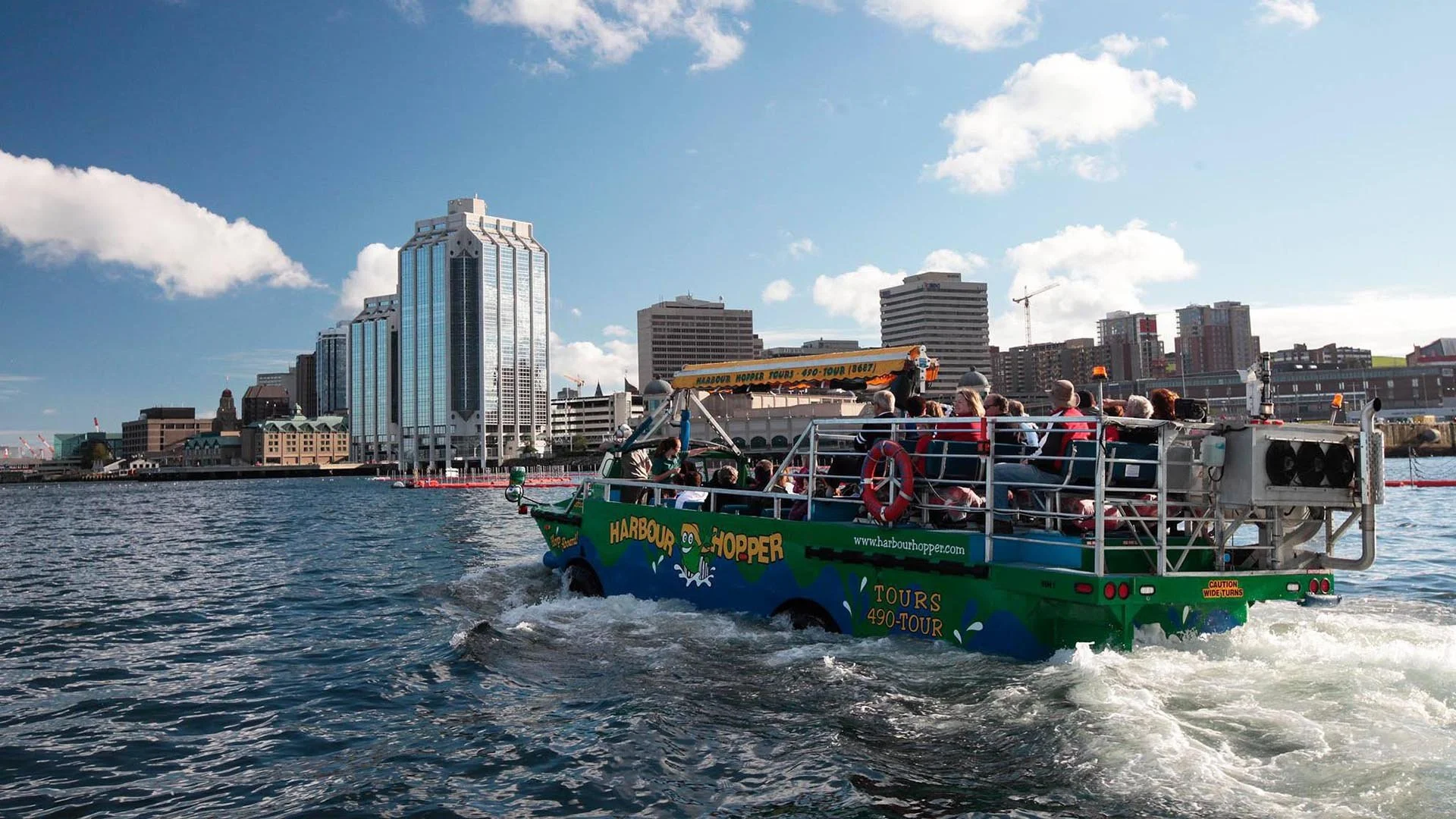
2. Skip the Harbour Cruise — Take the Ferry
If you’ve looked up things to do in Halifax, you’ve already seen the Harbour H
opper. It’s narrated, scheduled, and carefully packaged to show you the city from the water — usually alongside a few hundred other people being shown the exact same thing. It’s not wrong, but it’s also not how this harbour actually functions.
The Halifax Ferry is public transit. People take it to get to work, to run errands, to go home. It crosses the same water, offers better views, costs a fraction of the price, and doesn’t require you to be herded onto a boat at a specific time. You stand on deck, you sit next to locals, you watch the city move the way it always has — from the water outward.
More importantly, the ferry takes you somewhere. It drops you into Dartmouth, which immediately breaks you out of the downtown loop and into a different rhythm altogether. There’s no script, no commentary telling you what you’re supposed to be looking at. You get to decide what matters. That’s the point.
If you want to understand Halifax as a working port city — not just a backdrop — take the ferry. It’s the most honest way to see the harbour, and it’s hiding in plain sight
3. Don’t Overplan
Halifax isn’t a city that overwhelms you with scale or spectacle. What tends to stick with people long after they’ve left are the interactions — the conversations they didn’t expect to have. The person they chatted with on a bench in the Halifax Public Gardens who ended up inviting them to a backyard barbecue. The bartender who changed their plans for the night. The stranger who insisted they take a different route, or go somewhere they hadn’t heard of yet.
That’s the part of this place most visitors don’t plan for, and the part they talk about most when they get home. Halifax is small enough, and human enough, that people still talk to each other. Not in a performative way — just because that’s how things work here. It’s easy to underestimate how much that shapes your experience until you realize those moments are what you remember most clearly.
The city’s attractions are modest by design. Our museums are small. Our venues are intimate. They’re meant to leave room for the rest of the day — for wandering, for weather delays, for conversations that run longer than expected. If you approach Halifax like a list of stops, you’ll move through it quickly. If you stay open to the people around you, the place tends to open back.
That’s not something you can schedule, but it is something you can make space for — and it’s usually what people miss when they don’t.
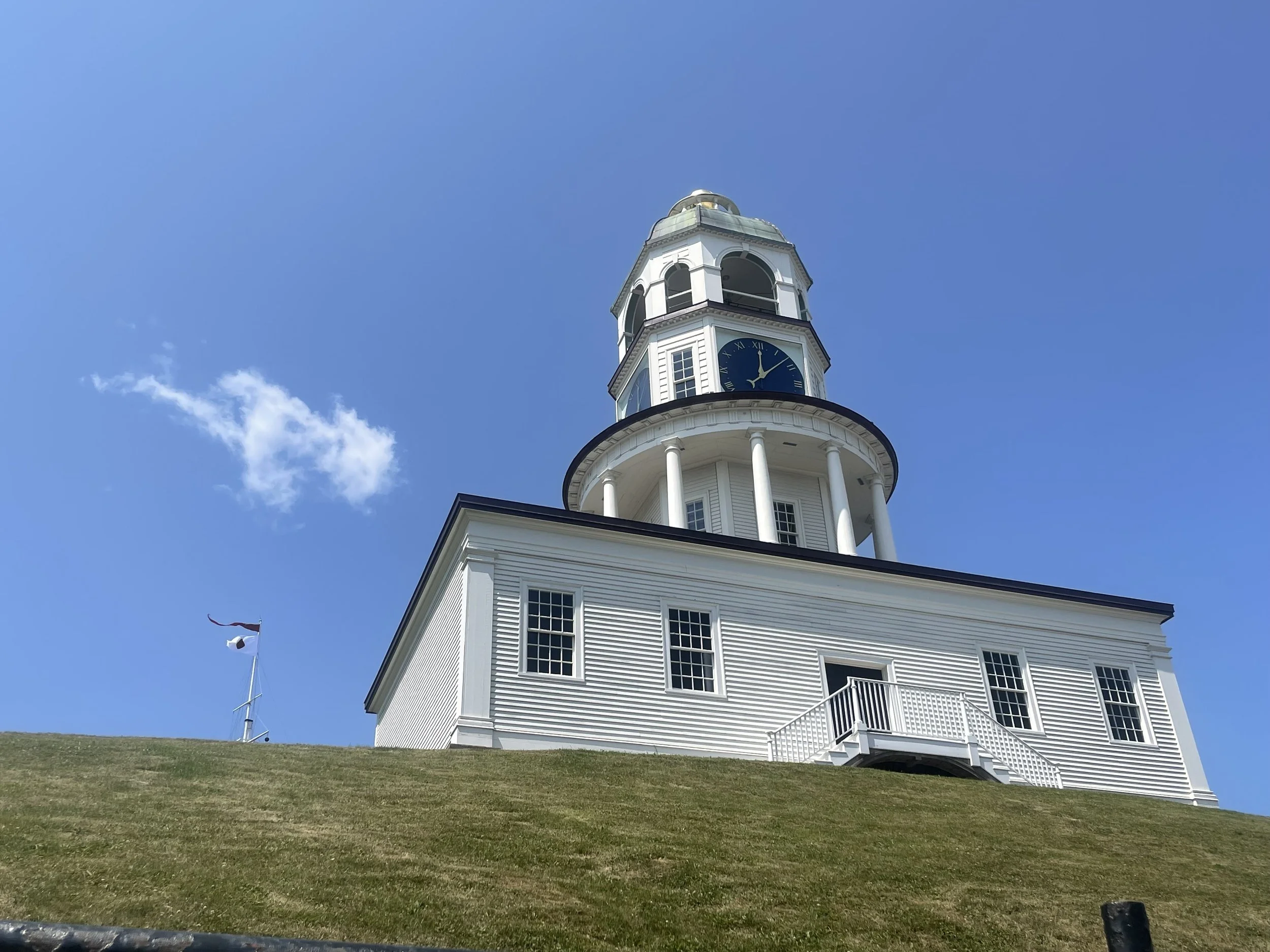
4. The Citadel Is Fine — But Don’t Skip the Library
The Halifax Citadel National Historic Site is fine. It’s historic, it’s central, and it’s on every list for a reason. But like most obvious attractions here, it works best when you’re thoughtful about when — and how — you engage with it. Treated as a midday museum stop in peak season, it can feel crowded and oddly rushed. Treated as a place people actually use, it starts to make a lot more sense.
Locals don’t just “visit” the Citadel. They picnic on the hill. Kids sled down it in the winter. People fly kites, walk dogs, sit with a coffee, or meet friends because it’s a good place to pause. Early in the morning or later in the day, it functions less like an attraction and more like what it really is: shared green space with history attached.
What often gets missed is that Halifax’s civic pride doesn’t live only in the past. It also shows up in the places people actively occupy. Just down the hill, the Halifax Central Library tells the same story in a different way. Yes, it’s won international architecture awards — but more importantly, it’s used. Locals reading, working, attending talks, bringing kids to programming, or sitting quietly because they need to decompress.
The point isn’t to skip the Citadel. It’s to understand that Halifax reveals itself through use, not spectacle. When you pay attention to how people move through these spaces — and time your visit accordingly — the city stops feeling like a checklist and starts feeling livable.
5. Nova Scotia Makes Sense Once You Leave the City
Halifax only tells part of the story. Nova Scotia starts to make sense when you understand how quickly the city gives way to space — and how normal it is for people here to move in and out of it without ceremony. Locals don’t think of leaving town as a “day trip.” It’s just part of life. You check the weather, grab a sweater, and go.
Places like Lawrencetown Beach, Blue Rocks, Hals Harbour, or any number of quiet coastal stretches aren’t treated as bucket-list destinations. They’re where people go to reset. To get perspective. To remember that this is a coastal province first, and a city second.
This is also where most tourism advice quietly falls apart. Nova Scotia gets marketed as a series of stops, when in reality it’s the in-between that does the work. The drive. The weather coming in sideways. The feeling that nothing needs to happen once you arrive. You don’t go to these places to be entertained — you go to breathe.
Understanding Nova Scotia means understanding movement. Not rushing through it, not conquering it, and not trying to see everything. Just letting the place unfold at its own scale. Once you experience that — even briefly — the rest of the province clicks into place.
If you believed everything Nova Scotia tourism marketing tries to sell you, you’d think this place was an endless loop of party boats, hot tubs, lobster bibs, and vaguely Celtic chaos. Booze-forward, surface-level, and somehow both over-produced and wildly off. It’s an easy story to tell, but it’s not a particularly accurate one — and it does a disservice to the people who actually live here.
Nova Scotia isn’t a playground, and it isn’t a product. It’s a place with rhythms, routines, and limits. A place that works best when visitors are spread out, slow down, and engage with it on human terms instead of transactional ones. When tourism focuses only on spectacle, it concentrates pressure in the wrong places and misses what’s actually worth protecting.
That’s why we take a different approach at Alternative Routes. We care about how people move through this province, not just where they stop. We care about neighbourhoods over novelty, everyday life over stunts, and experiences that add something instead of extracting it. Call it sustainable tourism, responsible travel, we call it doing a better job — but it’s the difference between visiting Nova Scotia and actually understanding it.
If this list feels like a relief — like permission to opt out of the obvious and do things a little differently — that’s not accidental. That’s the Nova Scotia we know, and the one we build our tours around. Less performance, more substance. Fewer hot tubs. Better stories.